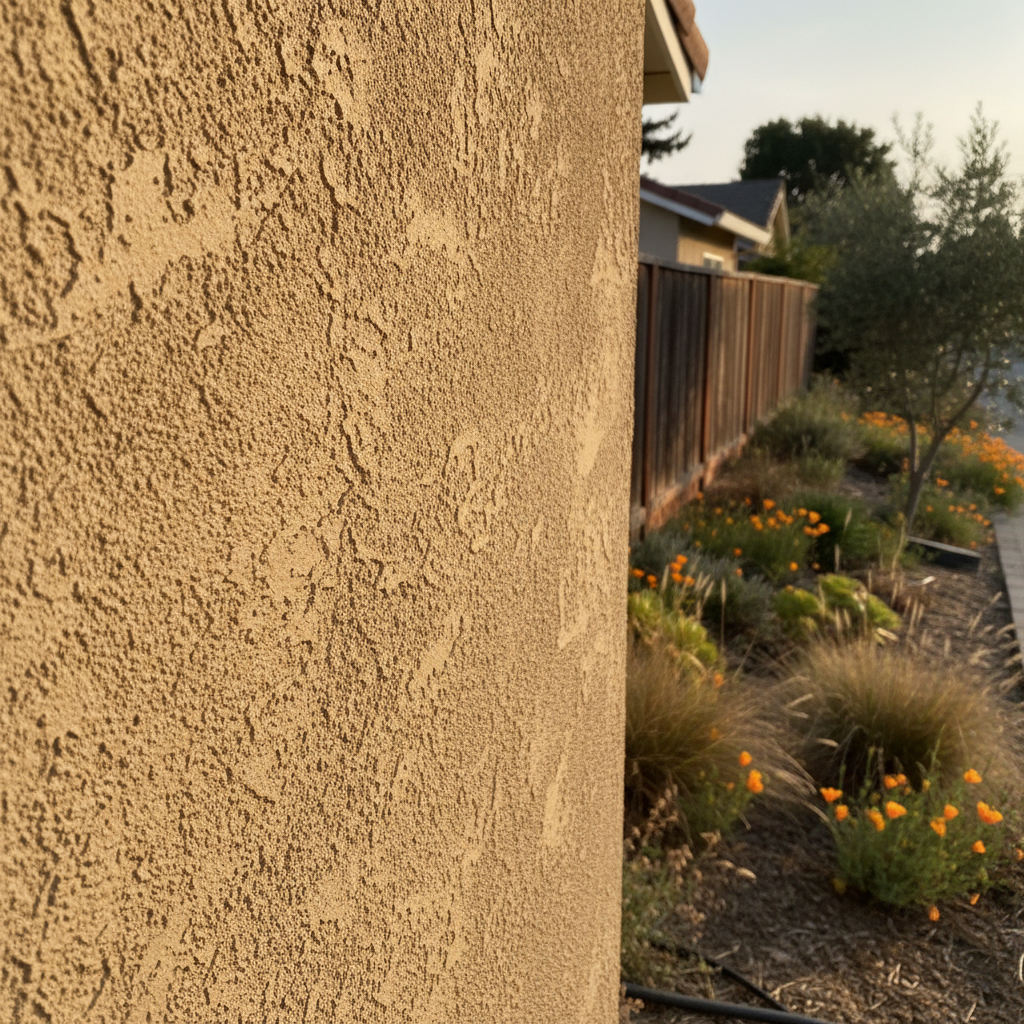
So, you're looking at your stucco home and thinking it could use a fresh coat of paint, huh? It's a common thought, especially after a few years of that Bay Area sun and fog doing its thing. Painting stucco isn't like painting drywall inside your house. It's a whole different beast, and knowing what you're getting into before you start is key. I've seen plenty of folks try to DIY it and end up with a bigger headache than they bargained for.
Before You Even Think About Brushes
First things first: inspect your stucco. You can't just slap paint over problems. Are there cracks? Any signs of moisture damage, like staining or crumbling stucco? If your home has some of that older, sand-finish stucco common in the Estudillo Estates area, it might have tiny hairline cracks that are easy to miss but will show through paint if not addressed. You need to fix these issues first. Small, non-structural cracks (we're talking hairline stuff, not big gaping holes) can often be filled with an elastomeric caulk specifically designed for stucco. Larger cracks or areas of crumbling stucco? That's probably a job for a pro. Trying to patch and paint over significant damage is just a waste of time and money.
Next, cleaning. Your stucco needs to be spotless. I mean it. Any dirt, mildew, or loose paint will mess with your new paint's adhesion. A good power washing is usually the way to go. Be careful with the pressure though; too much and you can damage the stucco surface. You want to clean it, not strip it. If you've got mildew, you'll need a bleach solution or a specialized cleaner to kill it off completely. Let it dry out completely for a few days after washing, especially if it's been damp and foggy like it often gets here in the spring.
Choosing Your Paint Wisely
This is where a lot of DIYers go wrong. You can't just use any old exterior paint on stucco. You need paint that's breathable, flexible, and designed for masonry. Elastomeric paints are often recommended because they can bridge small cracks and offer excellent waterproofing. Acrylic latex paints formulated for stucco are another good choice. They allow the stucco to breathe, which is super important to prevent moisture from getting trapped behind the paint and causing problems down the line. Don't skimp on quality here. Cheap paint means you'll be doing this again sooner than you want.
The Painting Process: What You Can Tackle
Alright, so you've prepped, you've got the right paint. Now what? If your home is a single story with relatively easy access and no major architectural complexities, and you're comfortable on a ladder, you might be able to handle the painting yourself. Here's what you'll need:
- Good quality brushes for cutting in edges and corners.
- Rollers with a thick nap (1-inch or more) designed for textured surfaces like stucco.
- Drop cloths and painter's tape to protect windows, doors, and landscaping.
- A sturdy ladder – safety first, always.
- Patience. This isn't a race.
Start with a primer, especially if you're going from a dark color to a light one, or if your stucco is unpainted. Primer helps with adhesion and gives you a more uniform finish. Then, apply your paint. Two coats are almost always necessary for good coverage and durability. Work in sections, and try to maintain a wet edge to avoid lap marks. It's a lot of physical work, and it takes time.
When to Call Synergy Stucco San Leandro (or another Pro)
Look, I'm all for homeowners saving a buck where they can. But there are definitely times when trying to DIY stucco painting is just asking for trouble. Here's when you should seriously consider calling in a professional:
- Significant Stucco Damage: If you've got large cracks, crumbling sections, or signs of water intrusion, you need a stucco repair specialist before anyone even thinks about painting. Painting over these issues is like putting a band-aid on a broken leg.
- Multi-Story Homes or High Access Areas: If you're not comfortable on tall ladders, or if your home has tricky angles and heights, please don't risk it. Falls are no joke. Pros have the right equipment and training for safe high-access work.
- Time Constraints or Lack of Patience: Prepping and painting stucco is a time-consuming job. If you don't have several days or even weeks to dedicate to it, or if you know you'll rush through it, a professional will get it done right and efficiently.
- Desire for a Flawless Finish: While you can get a decent finish yourself, a professional painter who specializes in stucco will often achieve a smoother, more uniform look, especially on large, visible surfaces. They know the tricks for avoiding streaks and uneven textures.
- Specialized Coatings: If you're looking into fancy elastomeric coatings or other specialized stucco finishes, a pro will have the experience and equipment to apply them correctly for maximum benefit.
After the Paint Dries
Once your beautiful new paint job is done and dry, you'll want to keep an eye on it. Regular cleaning (a gentle rinse with a hose once a year can do wonders) will keep it looking fresh. Check for any new cracks or chips, especially after heavy rains or a particularly hot summer. Addressing small issues quickly will extend the life of your paint job and your stucco.
Painting your stucco can dramatically change your home's curb appeal. Just make sure you're going into it with your eyes wide open about the work involved, and don't be afraid to call in the experts when the job gets bigger than your comfort level. It's your home, and you want it to look good and be protected for years to come.