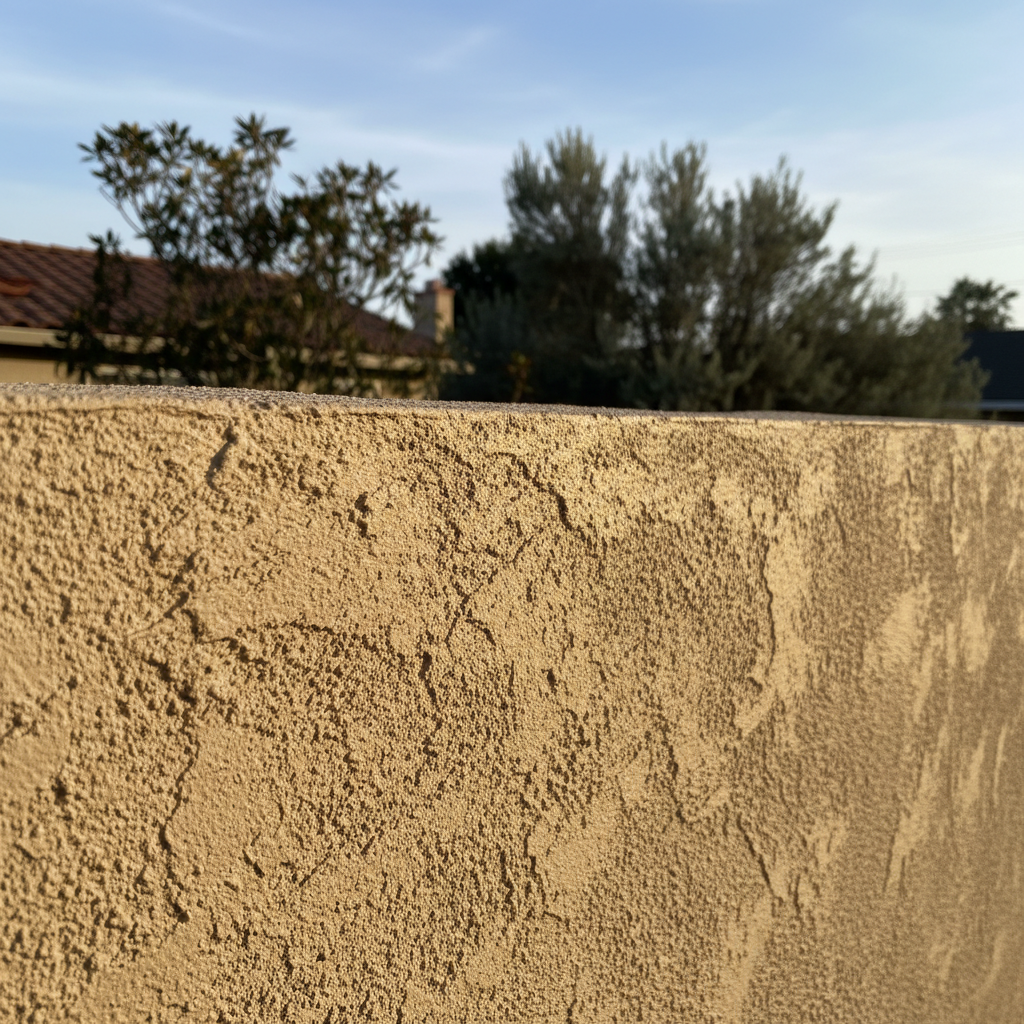
Alright, let's talk about stucco inspections. You've got stucco on your home, and naturally, you want to make sure it's doing its job, right? It's not just about looking good, after all; it's about protecting your biggest investment. A lot of folks think you need a pro for every little thing, but honestly, there's a good chunk of inspection you can handle yourself. Knowing what to look for can save you headaches and a good bit of money down the line.
Before You Call a Pro: Your DIY Stucco Checkup
Before you even think about hiring someone, take a good, hard look at your stucco. I mean, really look at it. Walk around your house, maybe with a notepad and a pen. What are you seeing?
- Cracks: Not all cracks are created equal. Hairline cracks? Usually not a huge deal, especially if they're just on the surface. But if you see cracks wider than a credit card, or if they're running horizontally or in a spiderweb pattern around windows and doors, that's a red flag. Those can be signs of structural movement or water getting in. Pay close attention to areas around chimneys, where different materials meet, and at the corners of your house.
- Discoloration or Stains: Any dark streaks, especially under windows, near the roofline, or around vents? That's almost always water. Stains mean water is getting in and sitting there, which is exactly what you don't want. Green or black spots could be mold or mildew, another sign of moisture.
- Bulges or Soft Spots: Gently press on the stucco in different areas. Does it feel soft or spongy? Do you see any areas that look like they're bulging out? This is a serious sign of water damage behind the stucco, potentially rotting the sheathing underneath. You shouldn't be able to push a finger through it, believe me.
- Separation: Look where the stucco meets other materials – windows, doors, trim, your foundation. Is there a clean, tight seal, or do you see gaps? Those gaps are open invitations for water.
- EIFS (Synthetic Stucco) Specifics: If you have EIFS, which isn't as common on older San Leandro homes but you see it on some newer builds, you'll want to look for impact damage. It's a softer material than traditional stucco and can get dinged up more easily.
Don't forget to check your gutters and downspouts while you're at it. If they're clogged or not directing water away from your foundation properly, they're contributing to potential stucco problems. We see this all the time, especially with those big oak trees dropping leaves everywhere around the Estudillo Estates.
When to Bring in the Experts
So, you've done your walk-around. You've got your notes. If you're seeing any of those red flags – wide cracks, persistent staining, soft spots, or significant gaps – it's time to call in a professional. This isn't a DIY fix anymore. Here's why:
- Water Intrusion: If water is getting behind your stucco, it's not just damaging the stucco itself. It can rot wood framing, cause mold growth, and compromise your home's structural integrity. A pro has tools like moisture meters to find hidden water and can pinpoint the source of the problem.
- Structural Issues: Wide cracks, especially those that run diagonally or horizontally, might mean foundation settlement or other structural movement. A stucco contractor can tell you if the stucco is just cracking or if there's a bigger issue at play that needs a structural engineer.
- Repairs Beyond Your Skill Set: Patching a small hairline crack is one thing. Dealing with extensive water damage, re-flashing windows, or repairing large sections of stucco takes specific knowledge, tools, and materials to make sure the repair is done right and blends in. You don't want a patch job that sticks out like a sore thumb or, worse, fails to stop the water.
When you call us at Synergy Stucco San Leandro, we're not just looking at the surface. We're looking at the whole system – how your stucco was applied, how it's interacting with your windows and roof, and what might be happening underneath. We're looking for the root cause, not just patching symptoms.
After the Inspection: What Happens Next?
Whether you find minor issues you can handle or decide to call a pro, the 'after' part is crucial. If you've called us, we'll give you a clear, honest assessment of what we found. We'll explain the issues, show you pictures, and lay out your options. We'll talk about repair strategies, materials, and timelines. We'll also give you a transparent quote.
Don't jump at the cheapest bid without understanding what's included. A cheap fix might just be covering up a bigger problem. Make sure the contractor explains their process for addressing water intrusion, not just patching the visible damage. You want a solution that lasts, not a band-aid.
Once any repairs are done, keep up with your regular visual checks. Stucco is tough, but it's not invincible. A little vigilance goes a long way in keeping your San Leandro home protected and looking good for years to come.